

Why Your Garage Door Opens a Little Then Stops — and How to Fix It
Does your garage door start to open but then stop partway? This is a common issue that can be caused by sensor blockages, broken springs, or problems with the door tracks. Fortunately, with a bit of inspection, you can often identify and fix the problem yourself.
Key Takeaways
- Common reasons for a garage door opening only partway include blocked sensors, broken springs, or misaligned tracks. A careful inspection can help pinpoint the exact cause.
- Sometimes, tweaking the garage door opener’s force limit settings can resolve partial opening issues. If the problem persists, it may require professional repair.
- Cold temperatures can affect how your garage door operates. Regular maintenance—such as lubricating moving parts—helps prevent malfunctions and keeps your door running smoothly.


Common Causes for a Garage Door Opening Partially
When a garage door opens only partway and then stops, it usually indicates an underlying issue.
This problem is often caused by misaligned sensors, broken springs, or track problems—all of which are essential for the door’s smooth and complete operation.
Recognizing these common issues can help you accurately diagnose the problem and determine the best course of action.
Sensor Obstruction
One of the most common reasons a garage door opens only partway is sensor obstruction. Objects such as toys, trash bins, or other items can block the sensors, causing the door to stop. These sensors are designed to enhance safety by preventing the door from closing on anything underneath it. It’s essential to keep the area around the sensors clear of debris or objects that could interfere with their function.
In addition, pets or children playing near the garage can accidentally knock the sensors out of alignment. To fix this, check that both sensors are properly aligned and facing each other, and remove any debris or obstructions around them. Correct alignment ensures that the sensors work effectively.
If the sensors remain unresponsive after cleaning and realigning, the problem may be with the wiring connections or the logic board. In this case, seeking professional assistance is recommended to avoid safety hazards and ensure proper repair.
Broken Springs
If your garage door only opens a few inches before stopping, broken springs may be the cause. Garage door springs play a crucial role in lifting the door’s heavy weight, and when one breaks, it can prevent the door from opening fully.
Signs of broken springs include:
- Visible broken pieces
- Rust or corrosion
- Loss of tension
- General wear and tear
Because springs are under high tension, attempting a DIY replacement can be extremely dangerous. It’s best to have the repair handled by a qualified professional with the proper tools and expertise.
Replacement costs vary depending on the type, size, and number of springs, but professional installation ensures safety, correct setup, and prevents further damage.
Track Issues
Track problems can also cause a garage door to open only partway. Obstructions or misalignment in the tracks can interfere with smooth operation. Performing regular inspections and lubricating the tracks can help keep the door functioning properly.
For more serious problems—such as bends, damage, or persistent obstructions—it’s best to call a professional. Trained technicians have the tools and expertise to diagnose and repair track issues safely and efficiently, helping prevent further damage or injury.
Force Limit Settings on the Garage Door Opener
The force limit setting on your garage door opener controls how much power is used to open and close the door. If your garage door only opens partway, adjusting this setting may help. Always refer to your owner’s manual for specific instructions related to your model.
How to Adjust the Force Limit Safely:
- Make minor adjustments: Increase the force limit gradually to avoid creating safety hazards.
- Use manual adjustment screws: Many openers have screws or dials that let you fine-tune the settings.
- Perform a safety reversal test: After each adjustment, test the door’s safety reversal function to ensure it stops and reverses correctly if an obstruction is detected.
If you need to set the force limit higher than the medium level to make the door work, it may indicate a more serious underlying issue, such as mechanical resistance or track problems. In this case, it’s best to contact a professional technician for inspection and repair.
Motor Problems in the Garage Door Opener
Unusual sounds, such as grinding or buzzing, coming from the opener can indicate internal mechanical issues. These noises often point to problems with the motor or other internal components.
Frequent sticking or stalling may also signal a malfunctioning or worn-out opener. If the door is completely non-responsive, the issue could be related to the power supply, remote batteries, or the motor itself.
Before calling for service, try resetting the garage door opener according to the manufacturer’s instructions. If the problem persists after resetting, it’s best to contact a professional technician to inspect and repair the motor safely.
Radio Frequency Interference
Garage door openers typically operate within the 300–390 MHz frequency range, which makes them susceptible to interference from nearby devices such as Wi-Fi routers, cordless phones, or other remote controls.
How to Test for Radio Frequency Interference:
- Turn off potential sources one by one and test the garage door opener after each to identify the source of interference
- Change the frequency settings on the opener or interfering device if possible to minimize conflicts.
- Reset the system, as this often resolves minor interference issues.
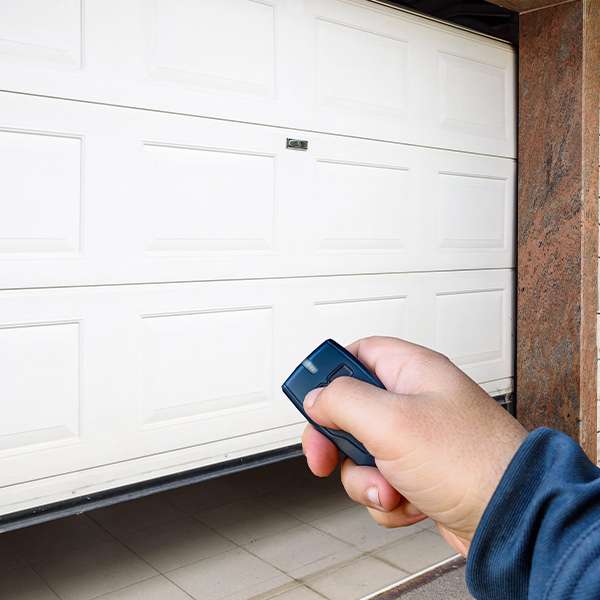
Cold Weather Effects on Garage Doors
Cold weather can interfere with garage door operation by causing grease to harden and metal components to contract. This contraction can lead to the metal on the tracks seizing up, which may result in malfunctions or the door getting stuck.
To prevent these issues, regularly lubricate the tracks and joints with a silicone-based lubricant. Additionally, humidity levels should be monitored to reduce the risk of ice formation, which can further complicate the door’s operation.
Proper maintenance during cold weather helps keep your garage door operating smoothly and prevents unexpected breakdowns.
How to Manually Open Your Garage Door
Knowing how to manually operate your garage door can be a lifesaver during power outages or opener malfunctions. Follow these steps carefully:
- Locate the emergency release cord, usually marked with a red handle.
- Make sure the door is fully closed before pulling the cord. This prevents the door from suddenly slamming down.
- Pull the cord straight down to disconnect the door from the opener.
- Manually lift the garage door to open it. Be cautious—garage doors can be heavy.
- When finished, close the door and re-engage the opener by pulling the emergency release cord toward the door until you hear it click back into place.
Manually operating your garage door is a temporary solution that allows continued use until the underlying issue is repaired.
DIY vs. Professional Garage Door Repairs
Deciding whether to repair your garage door yourself or hire a professional can be difficult. DIY repairs can save money but require time, effort, and a solid understanding of garage door systems. Because garage doors are heavy and complex, attempting repairs without proper knowledge and tools can pose serious safety risks.
On the other hand, professional repair services bring expertise and experience, ensuring accurate diagnosis and effective problem-solving. Many professionals also offer warranties, giving you peace of mind that the repair will be handled correctly.
While DIY repairs can be rewarding and educational, it is crucial to weigh the risks and benefits carefully. Hiring a professional is usually the safest and most efficient option for complex issues like broken springs, motor problems, or track damage.
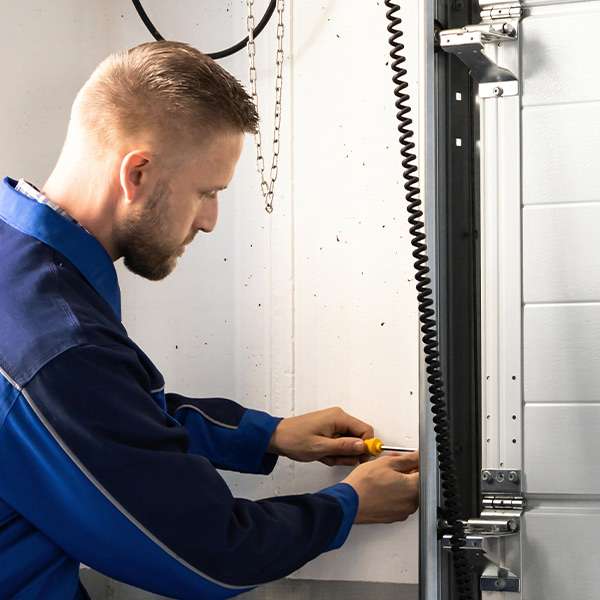
How Abe’s Door Service Can Help
When garage door problems arise—whether it’s sensor obstruction, broken springs, track misalignment, motor issues, or radio frequency interference—Abe’s Door Service is ready to help. With over 45 years of experience serving Edmonton and the surrounding areas, Abe’s Door Service has built a strong reputation for expert craftsmanship, reliable service, and unmatched customer care. Their highly trained technicians offer 24-hour emergency service, ensuring help is available whenever you need it—rain or shine.
From residential repairs to complex commercial installations, Abe’s Door Service provides accurate diagnostics, professional repairs, and priority-based service backed by decades of expertise. Whether you need routine maintenance or urgent assistance, Abe’s Door Service is committed to keeping your garage door safe, functional, and built to last.
Summary
Several factors can cause a garage door to open only partially, including sensor obstructions, broken springs, track issues, motor problems, and force limit setting errors. Understanding these common causes can help you diagnose and address issues more effectively.
Whether you complete the repairs yourself or hire professionals like Abe’s Door Service, the key is ensuring your garage door operates smoothly and safely. Regular maintenance and timely interventions can prevent most problems and keep your garage door functioning at its best.
Frequently Asked Questions
What should I do if my garage door opens partially?
If your garage door opens only partway, start by checking for obstructions on the sensors, inspecting the springs for damage, and clearing the tracks. You can also adjust the force limit settings and check the motor for issues. If the problem persists, consider calling a professional.
How can I fix misaligned sensors on my garage door?
To fix misaligned sensors, adjust them so they face each other directly and remove any debris or objects blocking their path. Proper alignment is crucial for the sensors to work correctly and keep your door operating safely.
How much does it cost to replace garage door springs?
The cost of replacing garage door springs can vary depending on factors such as the type, size, and number of springs that need to be replaced. Because this repair involves high-tension components, it’s best to hire a professional to ensure the job is done safely and correctly.
What can cause radio frequency interference with my garage door opener?
Radio frequency interference can be caused by Wi-Fi routers, cordless phones, and other remote controls operating within the 300–390 MHz frequency range. To address this, try turning off potential sources one at a time, adjusting the opener’s frequency settings, or resetting the system.
How do I manually operate my garage door?
To operate your garage door manually, pull the emergency release cord (usually marked with a red handle) to disconnect it from the opener. You can then lift the door manually. Once finished, close the door and reattach it to the opener by pulling the cord back toward the door until it clicks into place.